
Seacoast Waldorf School Blog
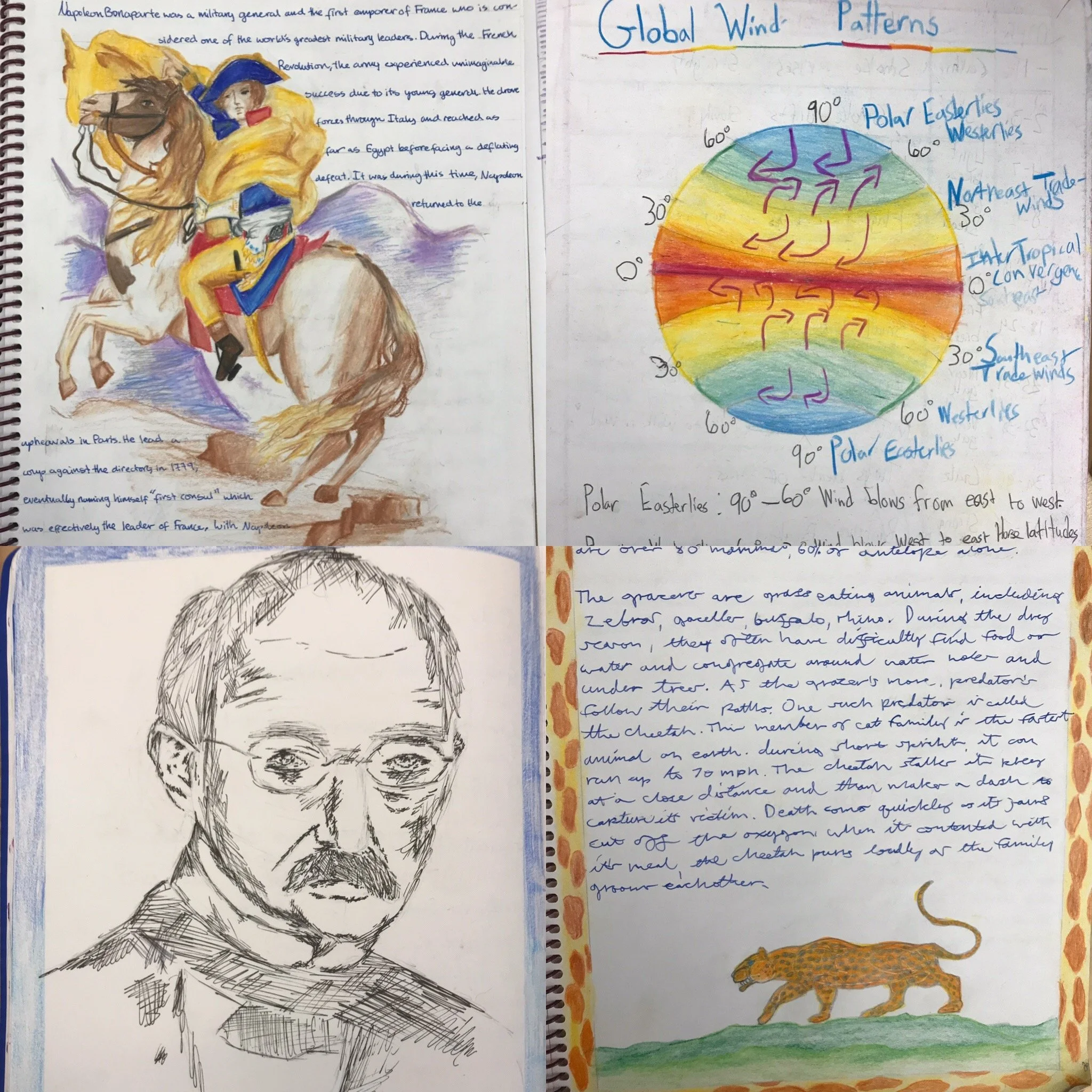
Screen-Free Learning at Seacoast Waldorf
As tablets and laptops become standard in classrooms, educators are raising concerns about distraction and attention. At Seacoast Waldorf, learning stays screen-free from early childhood until middle school, where students are carefully introduced to typing, digital citizenship, and AI literacy.
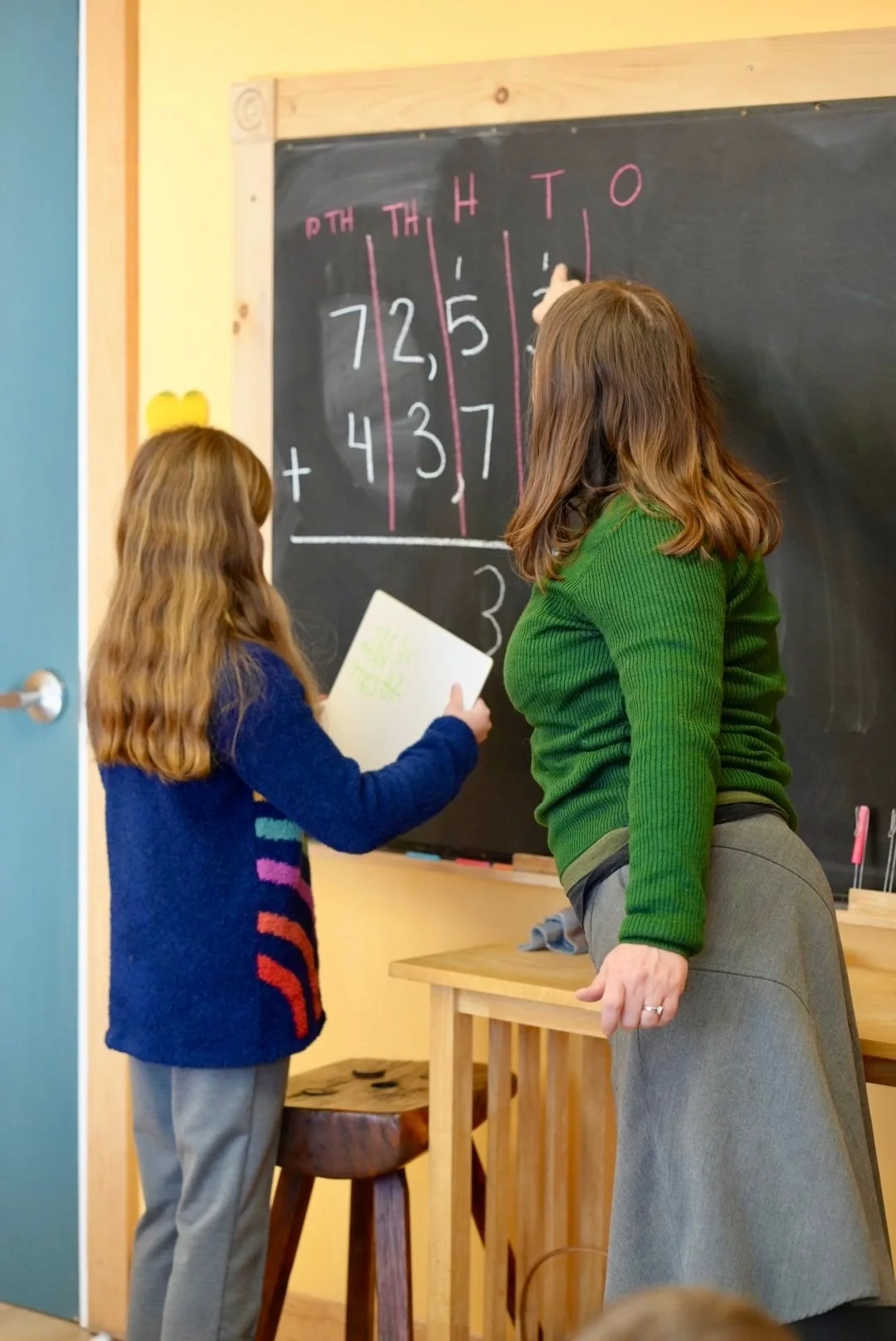
Is Waldorf Academically Rigorous?
Waldorf education is academically rigorous, but its rigor comes from depth and integrated learning rather than worksheets or early acceleration. The post walks through how this plays out across language arts, math, science, and the arts, each building understanding.
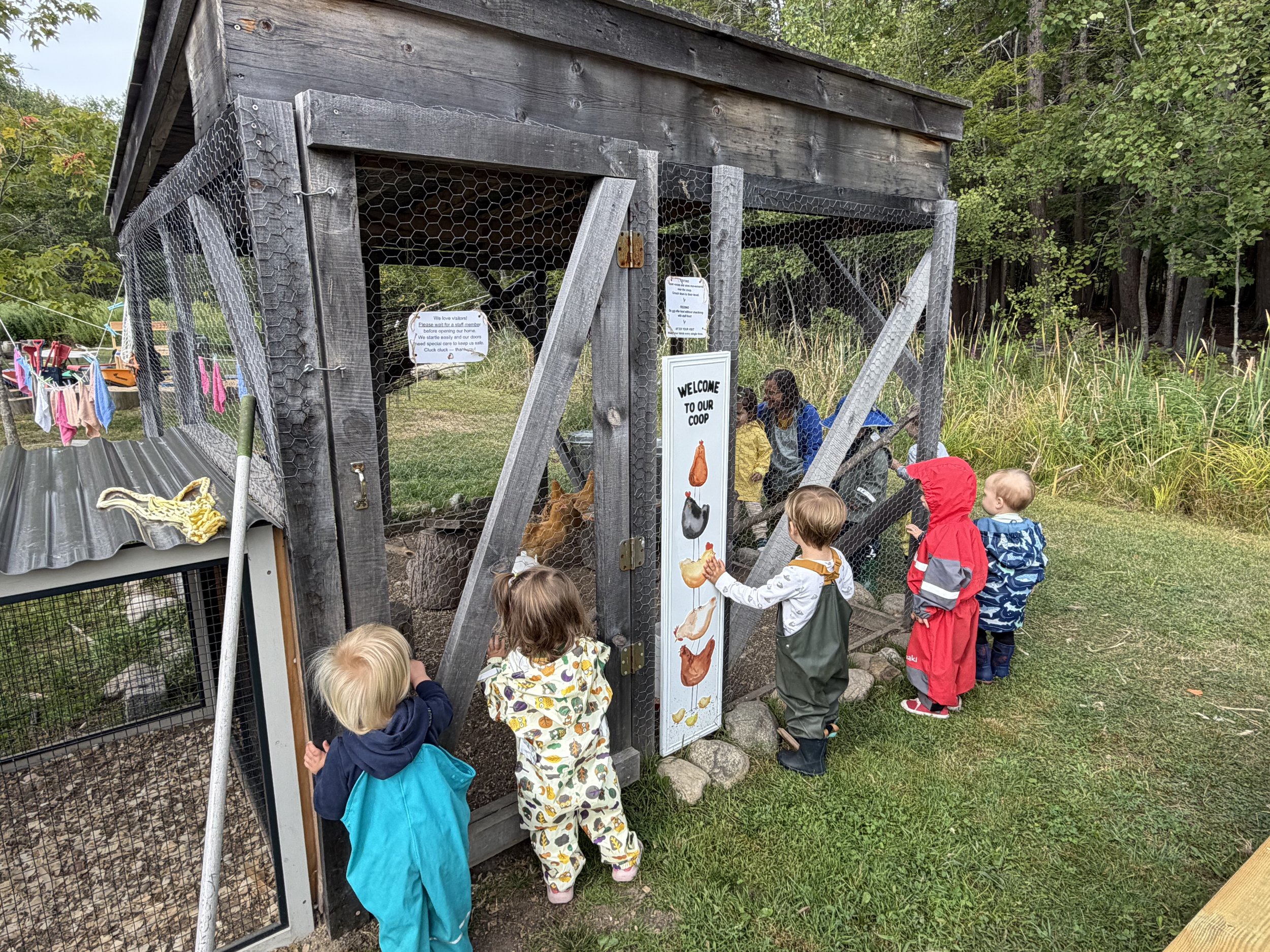
What Does a Waldorf Early Childhood Day Look Like?
Parents often picture stories and outdoor play when they imagine a Waldorf classroom, but rarely understand how it all fits together. This post walks through a full day at Seacoast Waldorf School, from morning arrival through practical work, shared meals, outdoor time, and rest, showing how rhythm and predictability help young children feel secure and ready to learn.
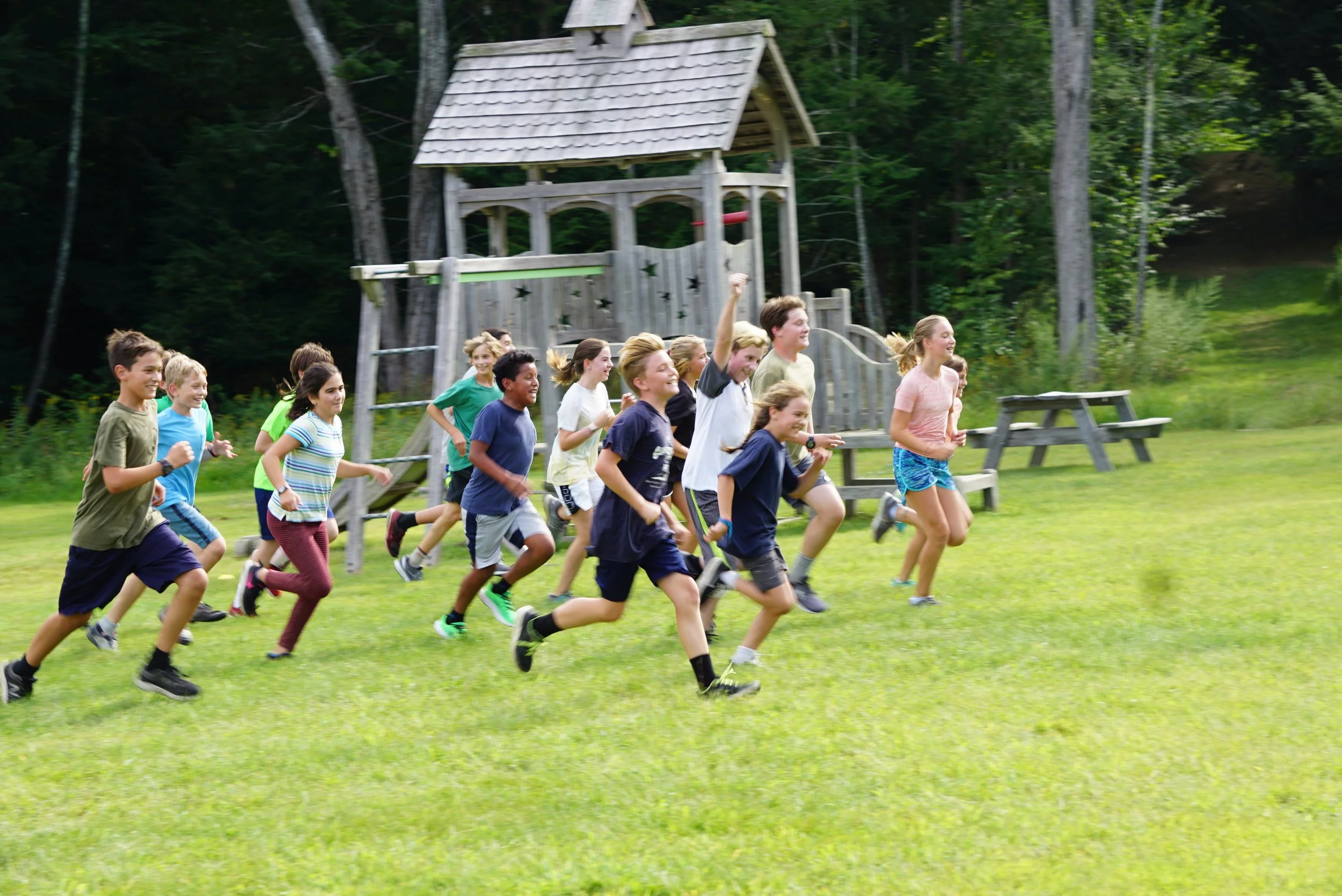
Why Our Mornings Start With Running
Morning movement helps children begin the school day focused, connected, and ready to learn. This post explores how running and other physical activity can support attention, executive function, and academic performance, and why movement is an important part of the daily rhythm at Seacoast Waldorf School.
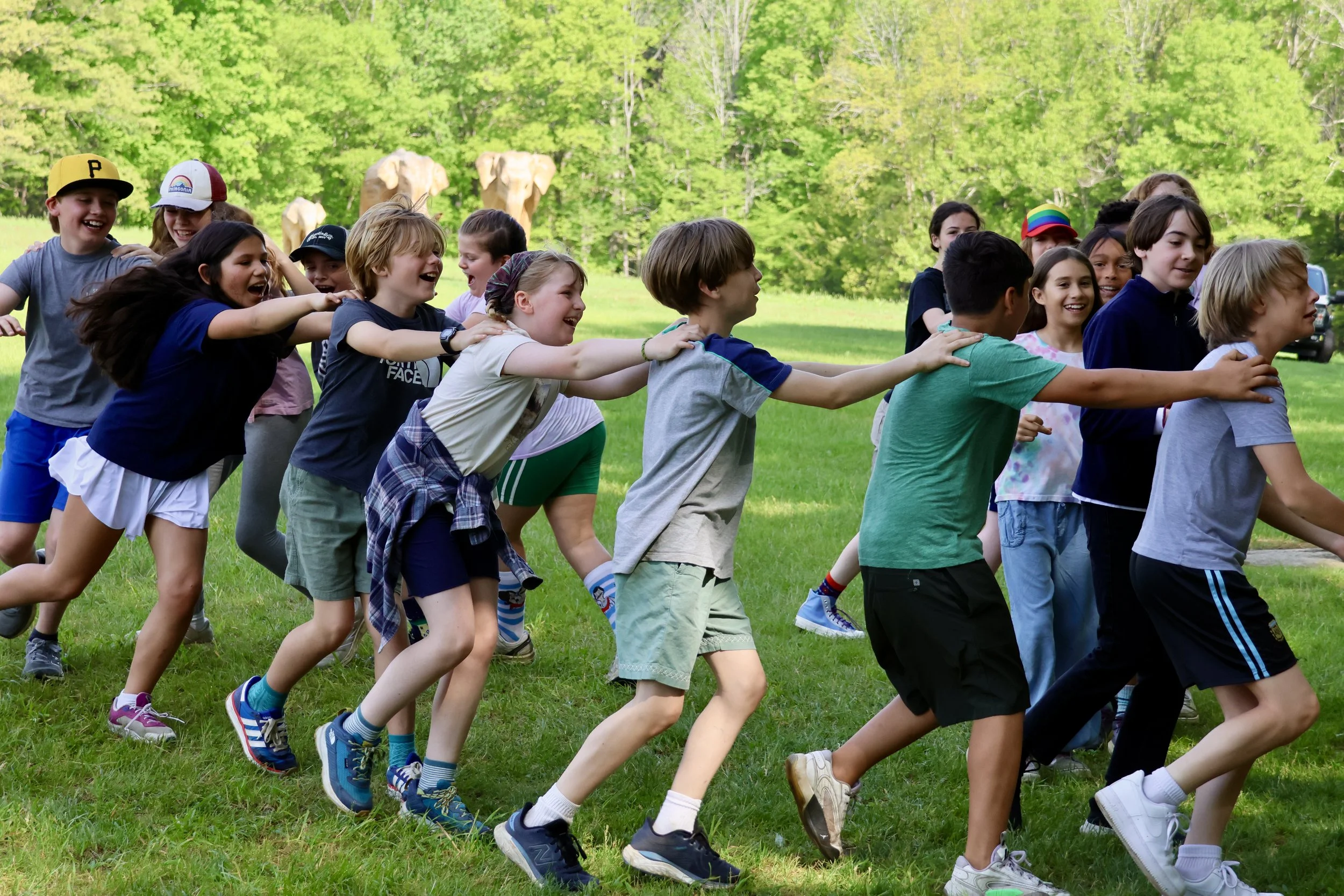
Why Seacoast Waldorf Students Love Returning to School
For Seacoast Waldorf students, going back to school doesn't feel like the end of summer, it feels like coming home. Discover why familiar teachers, a steady daily rhythm, and hands-on learning make our students genuinely excited to return.
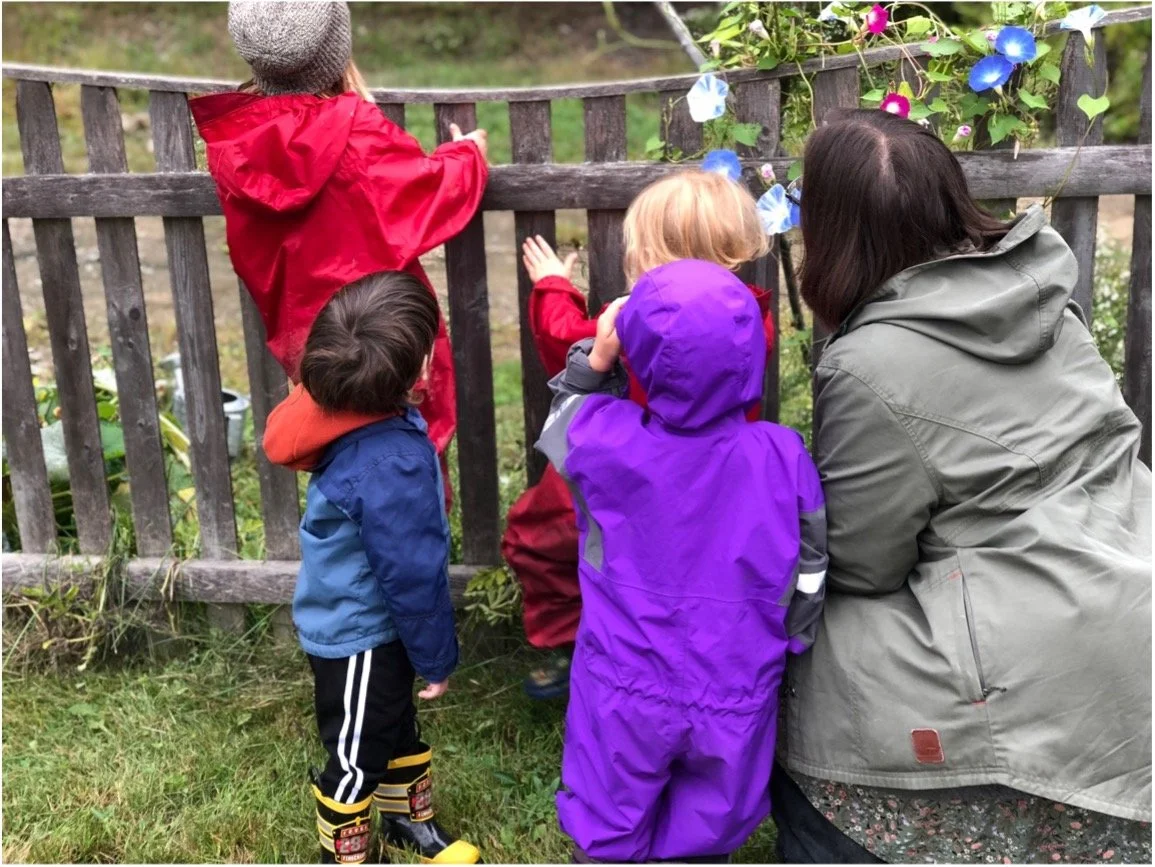
How We Help Kids Leave Home for the First Time
Next week, Seacoast Waldorf School will open its doors for a new school year, welcoming children back to familiar classrooms and inviting many of our youngest students into school for the very first time. Here's what our early childhood teachers do to ease that transition those first hours and in the days that follow.
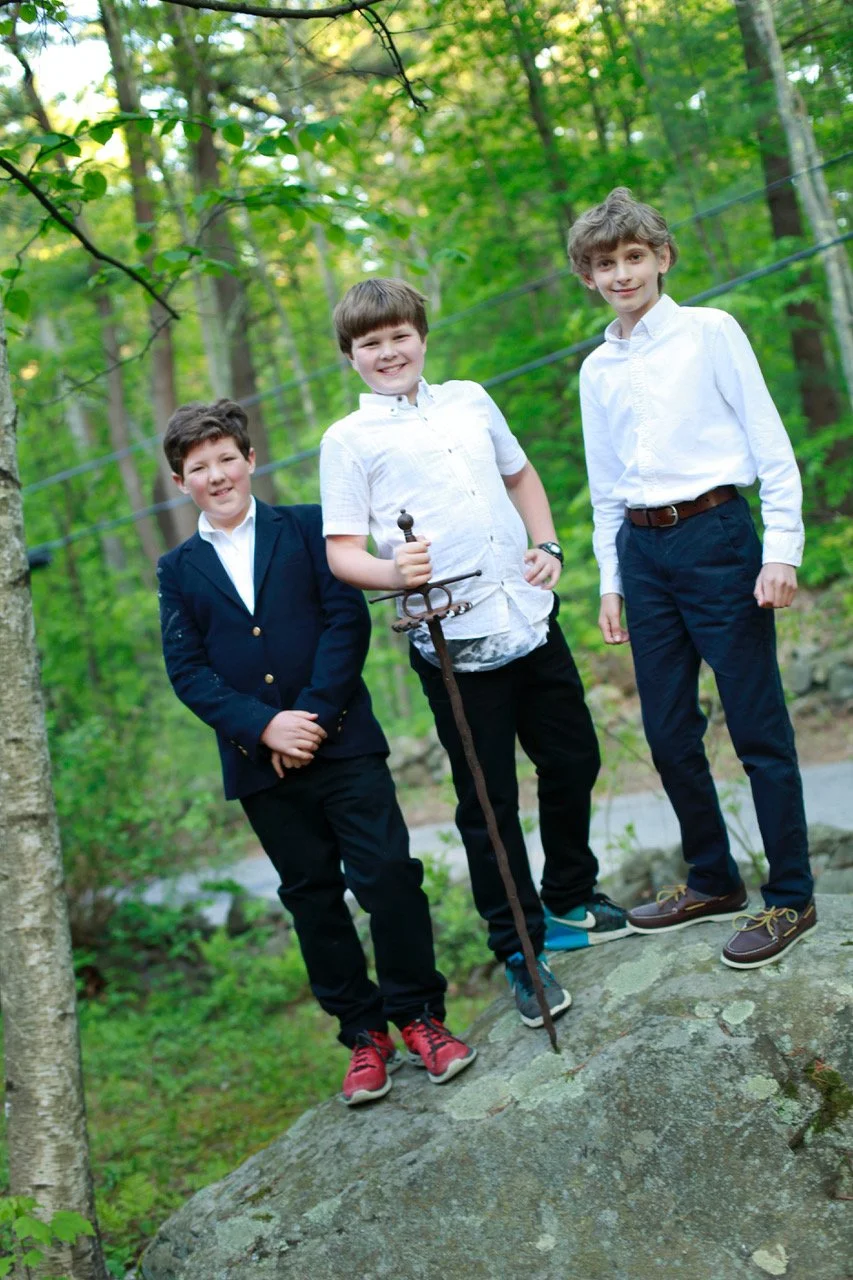
6/7th Grade Knighting Ceremony
What does it take to go from child to young adult? At Seacoast Waldorf School, our 6th/7th graders take on a Knighting Ceremony, a rite of passage rooted in the code of chivalry, self-knowledge, and acts of kindness and service. Discover what this meaningful tradition means to our students in their own words.
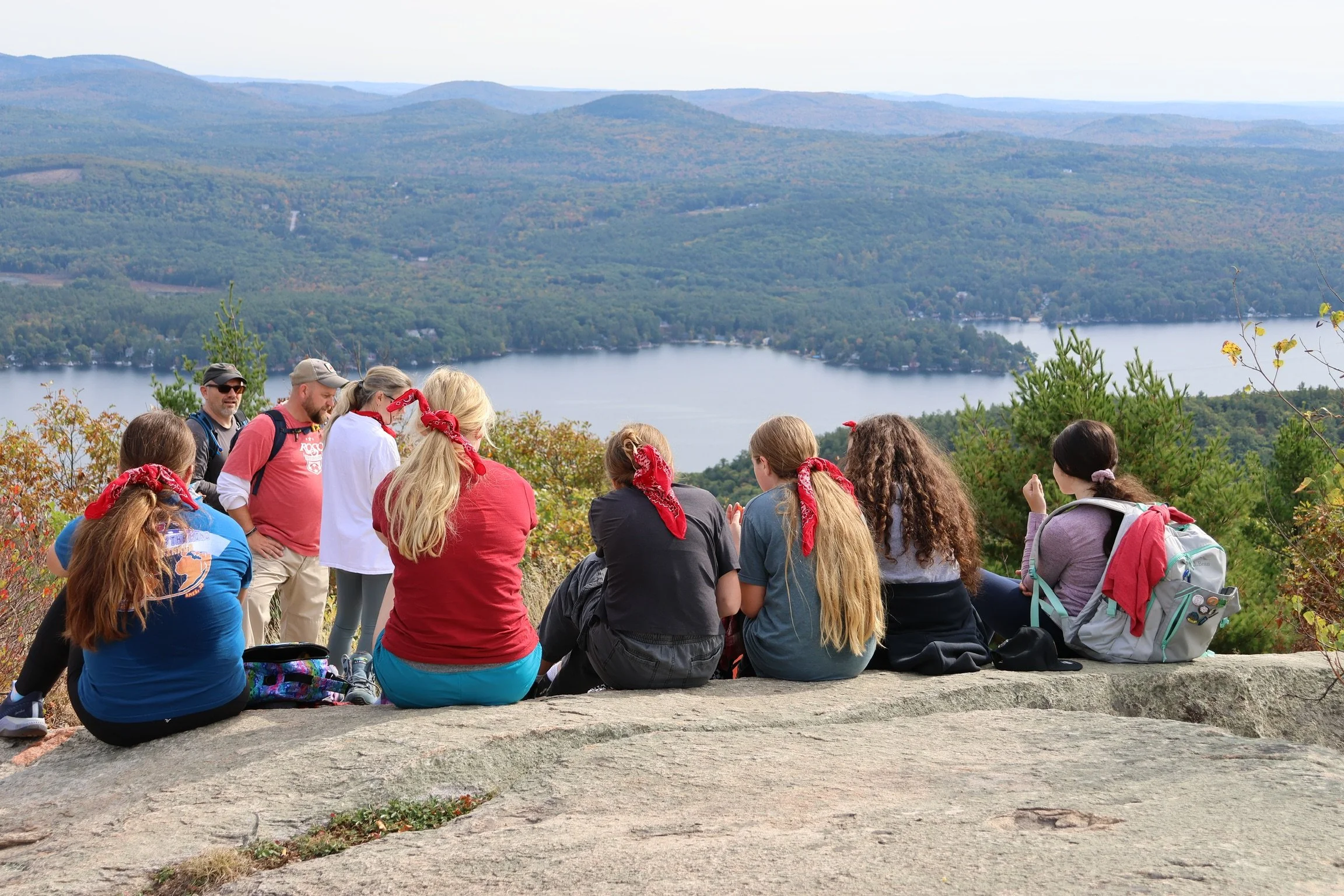
How is Waldorf different from other types of schools?
Waldorf, Montessori, Reggio Emilia, RIE, Forest School, with so many alternatives to public school, how do you know which fits your family? We break down what makes each philosophy unique, and what makes Waldorf's approach to childhood, creativity, and learning genuinely different.

Embracing Winter: Our Winter Movement Program IN ELIOT, ME
At SWS, winter is a season to celebrate. Through cross-country skiing, skating, sledding, and our annual Winter Carnival, students build skills, confidence, and a deep connection to the outdoors.

How Small Class Sizes Support Learning at Seacoast Waldorf School
Big schools can feel anonymous. At Seacoast Waldorf School, with classes topping out at just 16 students, every child is truly known. Discover how small class sizes and long-term teacher relationships (the same teacher from grade 1 through grade 8!) build the trust, belonging, and academic growth research says small schools do best.

Preparing Children for a World Shaped by AI
In an AI-driven world, economists say the most valuable skills aren't the ones a computer can replicate, they're empathy, creativity, and curiosity. Discover how a Seacoast Waldorf education builds these deeply human capacities into every day, preparing students not just to adapt to the future, but to shape it.

Everyone Learns Differently. Here’s Why it Matters.
Visual, auditory, reading/writing, kinesthetic, not every child learns the same way. Discover why a multisensory approach to teaching, built into every Waldorf lesson, helps every student engage, retain, and thrive, no matter how their mind works best.


